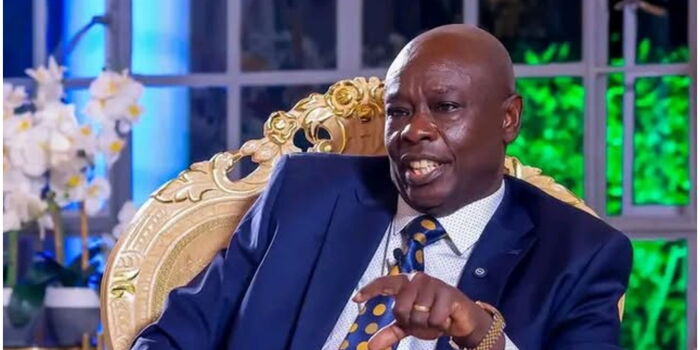
A planned roundtable interview between former Deputy President Rigathi Gachagua and a group of journalists from Northern Kenya was abruptly cancelled, triggering widespread debate and mixed reactions across the country.
In a statement released on Thursday, January 22, the Northern Kenya Media Practitioners announced that they had jointly decided to withdraw from the interview after holding internal consultations.
The group said the decision was guided by the principles of responsible journalism, national unity, and the need to promote constructive public engagement.
“It is with deep regret that we inform our esteemed audience of our collective decision to terminate the planned roundtable interview scheduled with Hon. Rigathi Gachagua,” the statement read.
According to the journalists, their decision was influenced by recent public remarks and political rhetoric that they described as increasingly divisive.
They noted that some of the statements made in recent days appeared to emphasise ethnic and regional differences, which they felt could undermine national cohesion and peaceful coexistence.
The media practitioners further expressed concern that the interview could have turned into a platform for damaging reputations or spreading unverified claims against individuals or institutions.
They warned that without clear safeguards, such a forum risked promoting accusations that may not be backed by sufficient evidence.
In their statement, the journalists reaffirmed their commitment to ethical journalism, stating that their role as media professionals is to encourage informed debate while safeguarding peace and unity in society.
They added that they had not received adequate assurance from Gachagua’s team that the discussion would remain respectful, factual, and focused on meaningful national issues.
Kenyans React to the Cancellation
The cancellation quickly sparked intense public reaction, especially on social media, where many Kenyans accused the journalists of bias and unprofessional conduct.
Prominent lawyer Ahmednasir Abdullahi was among those who strongly criticised the move. He argued that cancelling the interview amounted to silencing Gachagua and violating his democratic right to speak and be heard by the public.
“If you don’t like what Riggy G says or stands for, it doesn’t mean you should curtail his right to speak,” Ahmednasir said. “You cannot accuse someone of intolerance and then act in an intolerant manner yourself. Rigathi Gachagua has a right to be heard by all Kenyans.”
The decision was also condemned by fellow media professionals. TV47 news anchor Abubakar Abdullahi described the move as highly unprofessional and without precedent in Kenyan journalism.
“To deny Rigathi Gachagua an opportunity to address the North-Eastern audience is unprecedented and totally unprofessional,” Abubakar said. “This is a mockery of journalism and goes against the core values of the profession.”
As the debate continues, the incident has reignited discussions on media neutrality, freedom of expression, and the delicate balance between responsible journalism and the public’s right to hear from political leaders, even when their views are controversial.
Join Gen z Official WhatsApp Channel to share your thoughts and stay updated on time
https://whatsapp.com/channel/0029VaWT5gSGufImU8R0DO30